
Big Tech,
Democracy, and
Human Rights

Reshaping Tech Power, Building a Just Digital Future for the Global Majority

Date

Friday, November 6, 2026

9:00 AM to 4:30 PM PT

Venue

Stanford Alumni Center

326 Galvez Street, Stanford, CA 94305

days
hours
minutes

About the Conference

The digital landscape is transforming profoundly. A handful of technology companies now hold extraordinary power over how billions of people communicate, access information, participate in public life, and understand the world.

Most of those billions live in the Global Majority; countries in Africa, Latin America, the Caribbean, and parts of Asia and Oceania are home to the overwhelming share of the world's internet users. At the same time, the techno-authoritarianism in Silicon Valley and its political influence have reshaped the relationship between technology, democracy, and human rights worldwide.
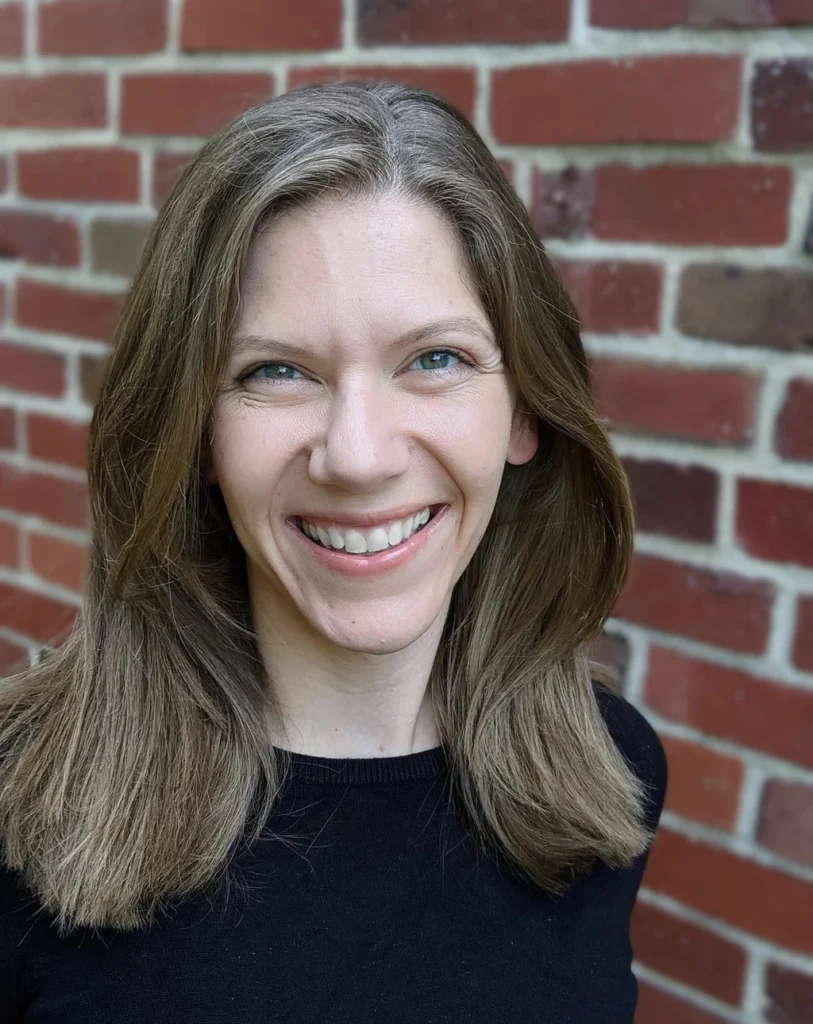
Speakers

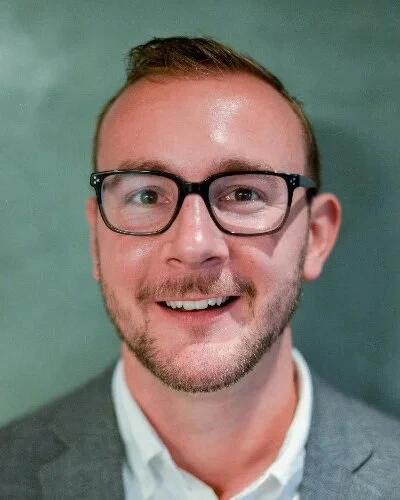
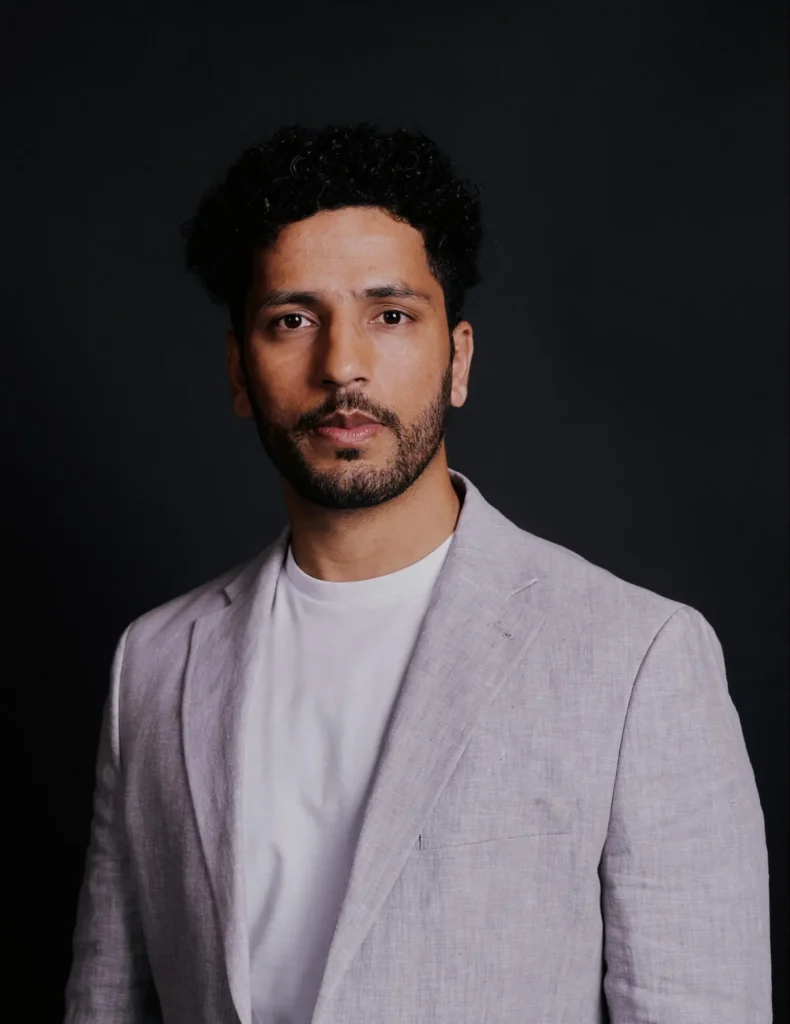
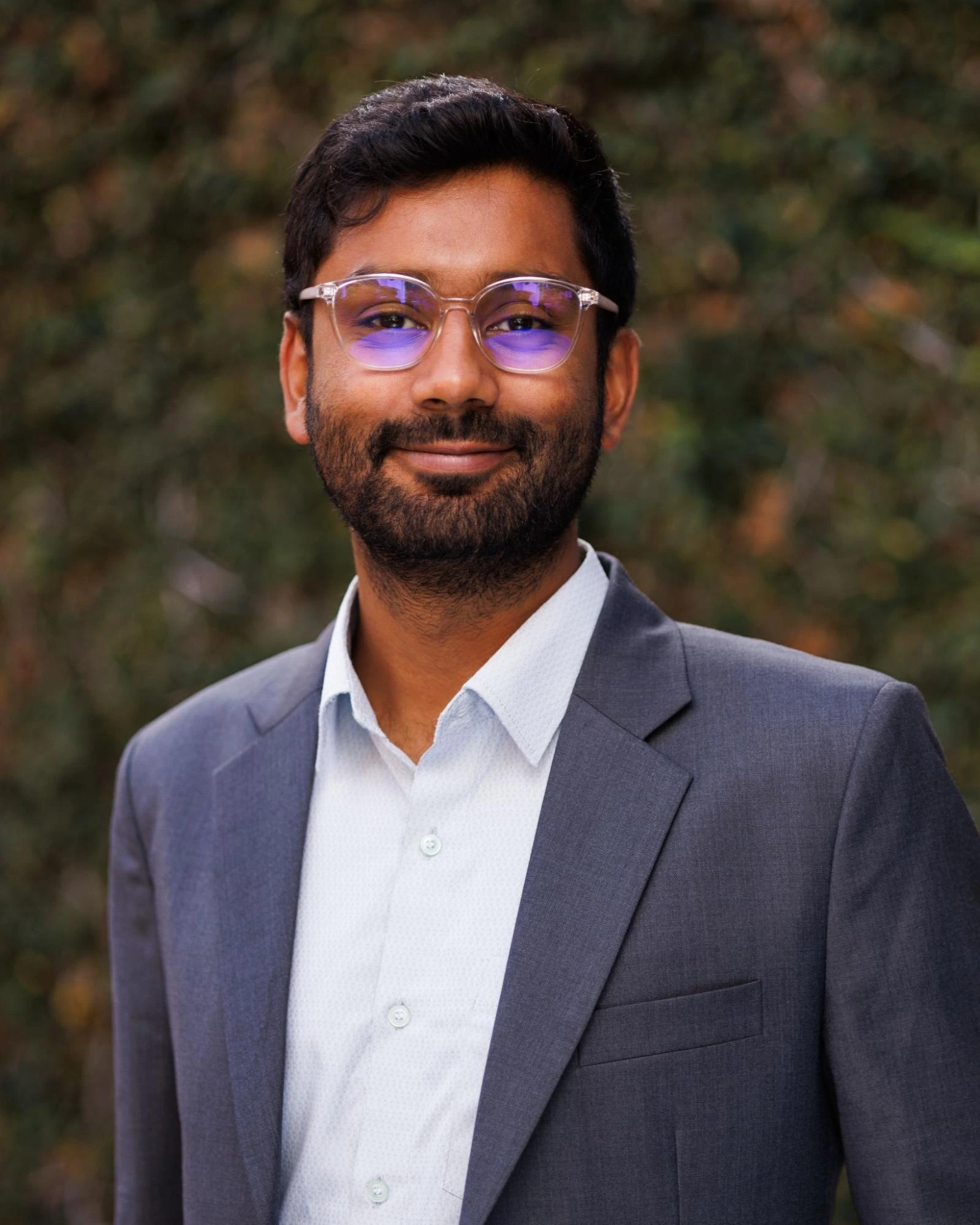
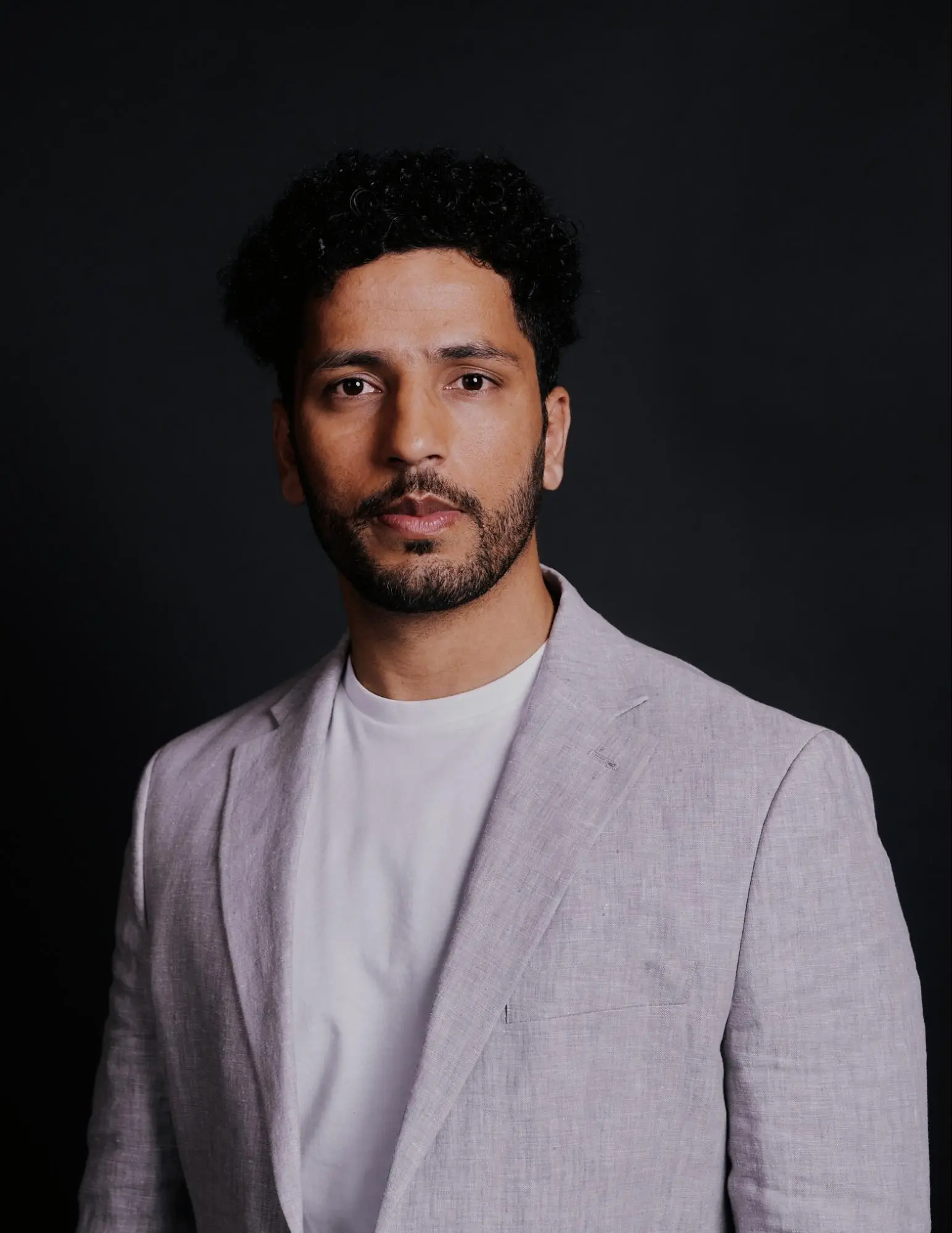
Archit Lohani
Stanford Critical AI
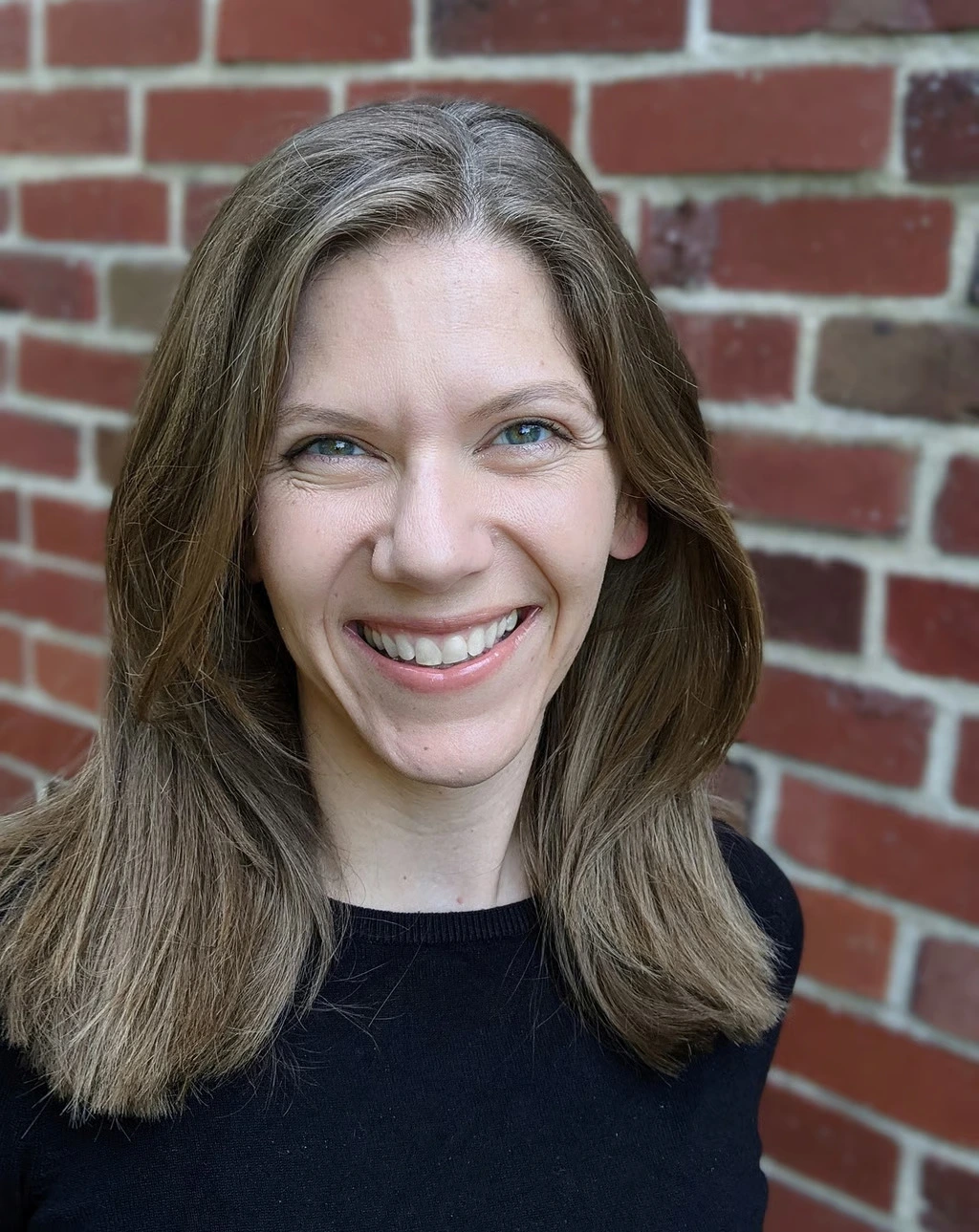
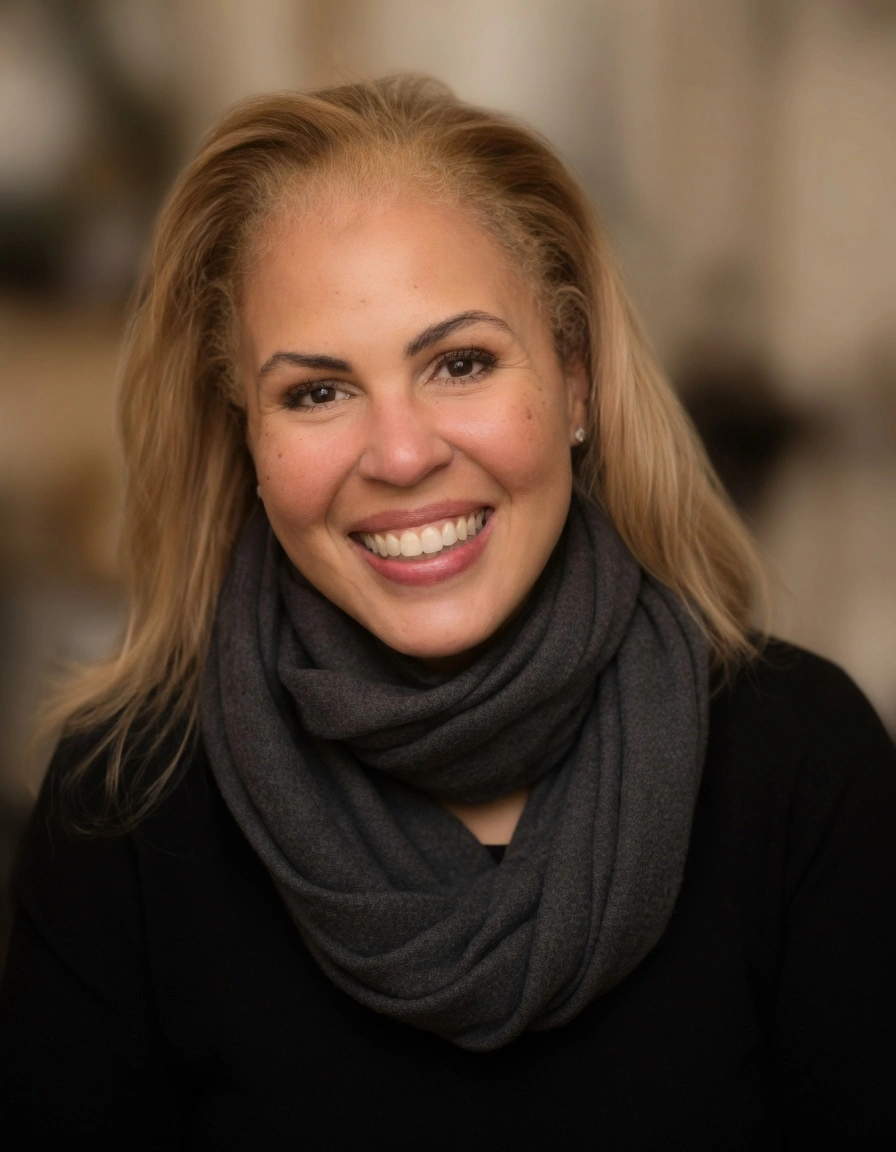
Dr. Cathy Buerger
Director of Research, Dangerous Speech Project (DSP)

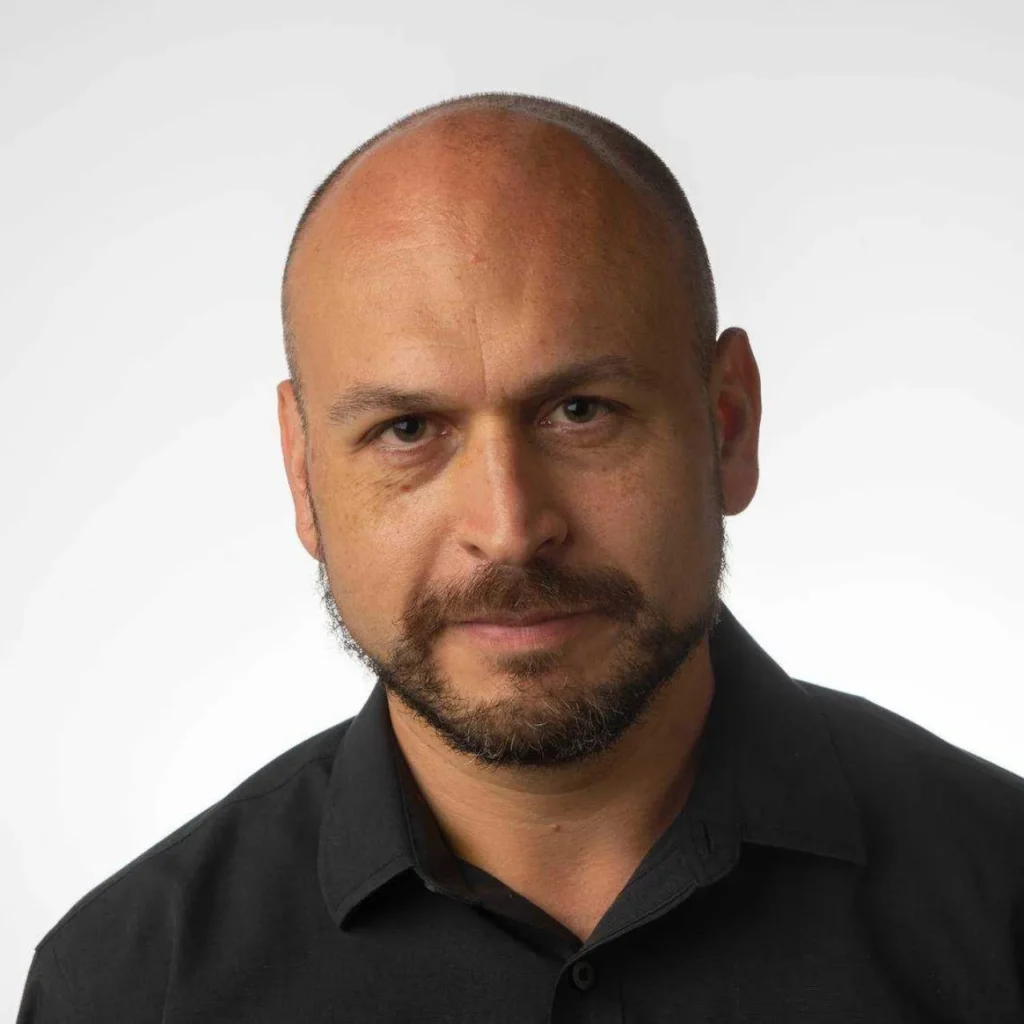
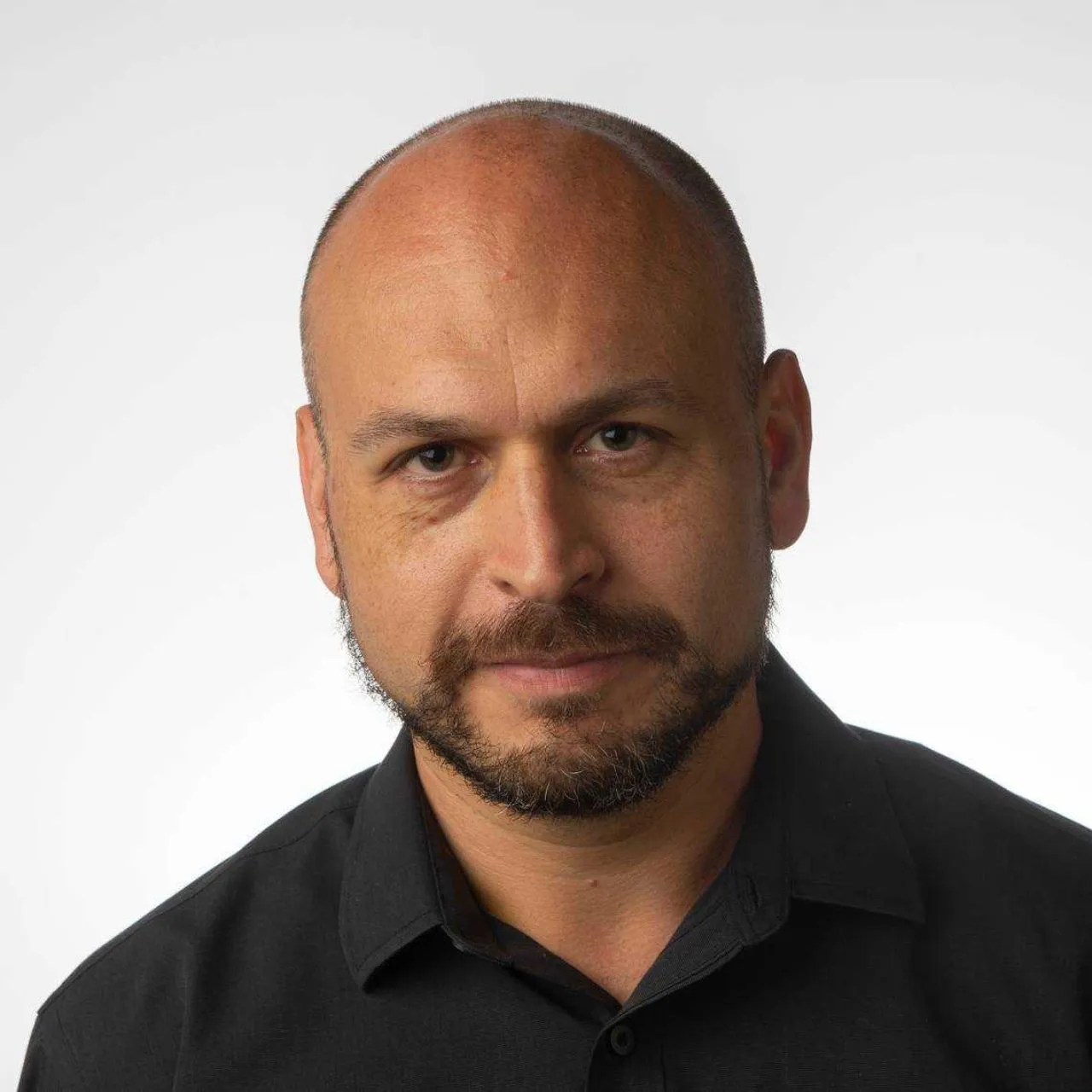
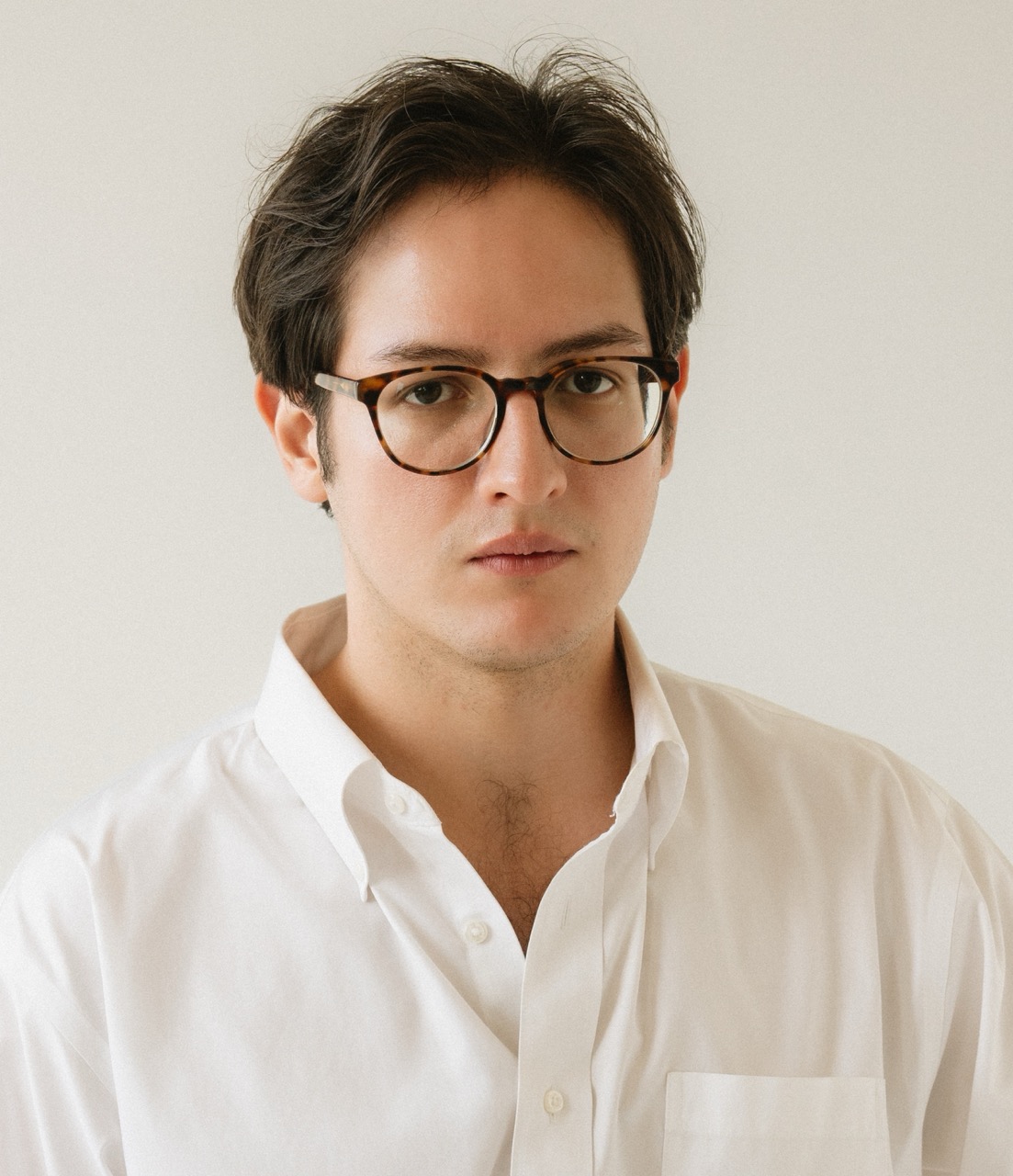
Eric Sype
National Organizer, 7amleh
Gil Durán
Author, The Nerd Reich
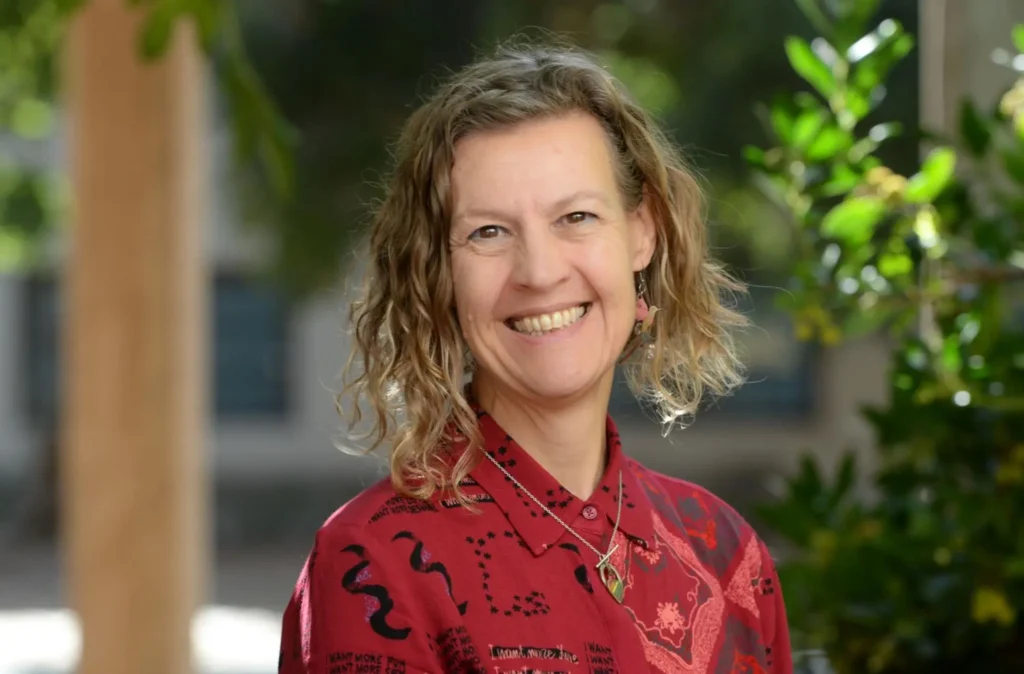
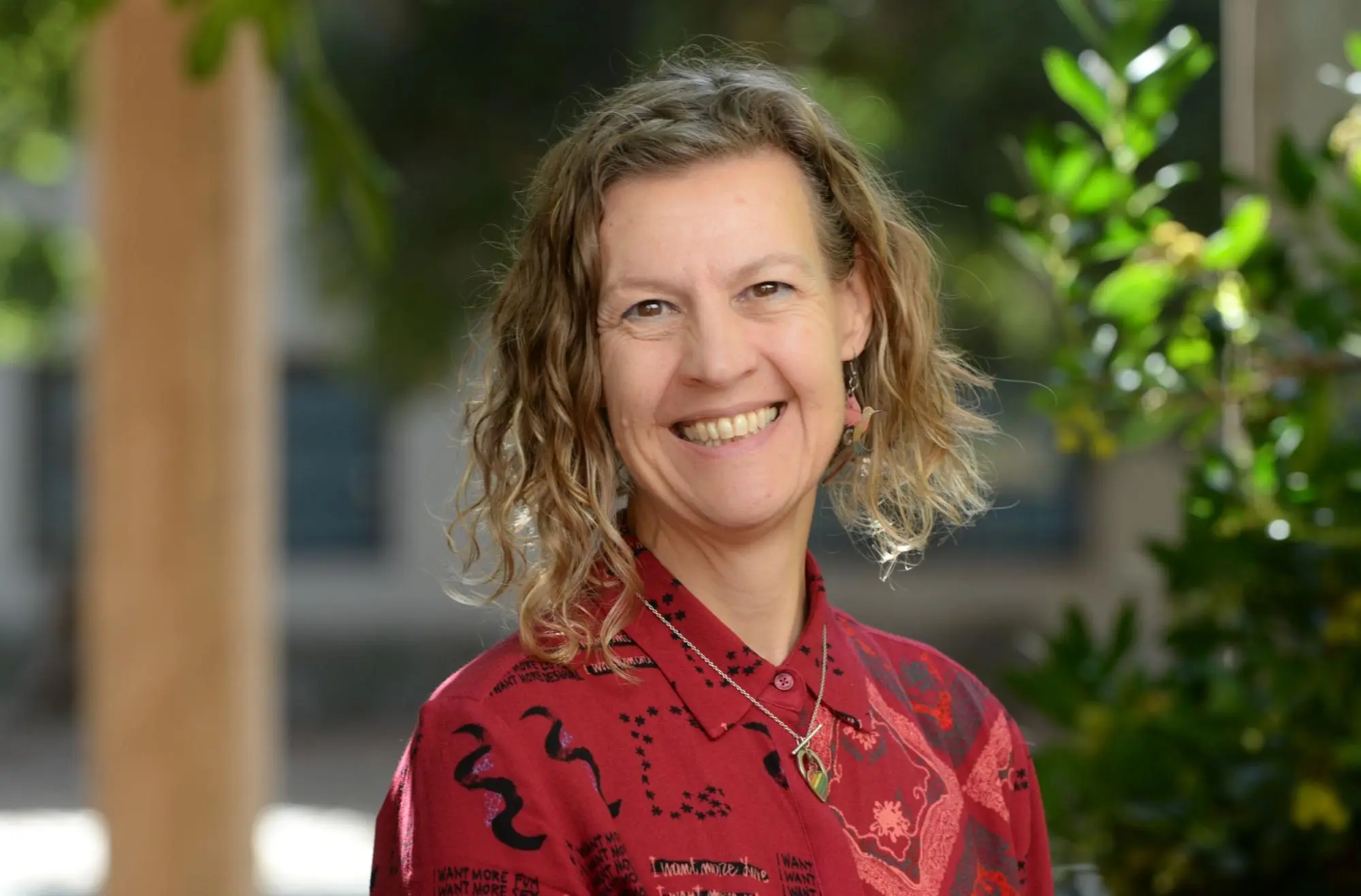
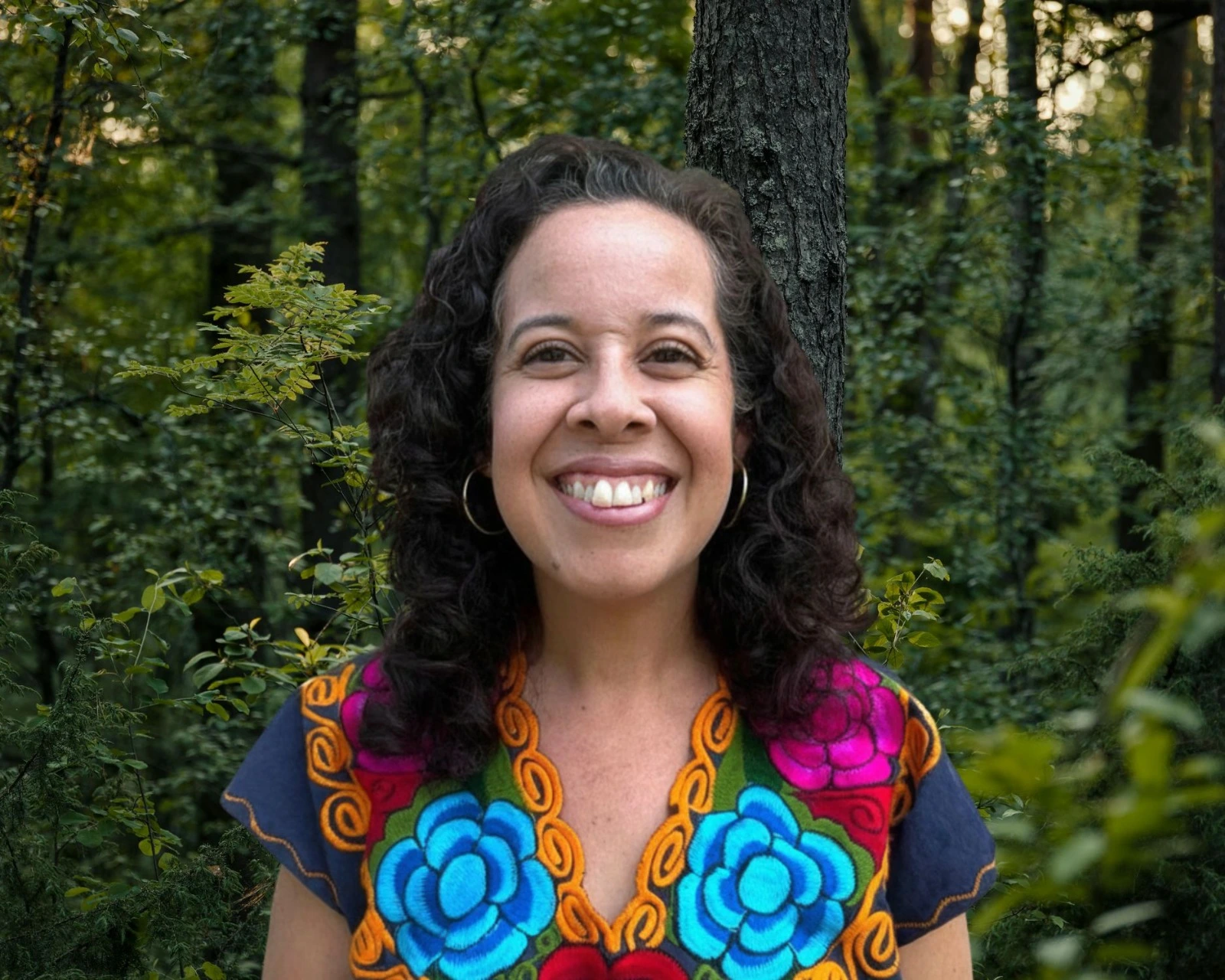
Lalita du Perron
Associate Director
Center for South Asia, Stanford

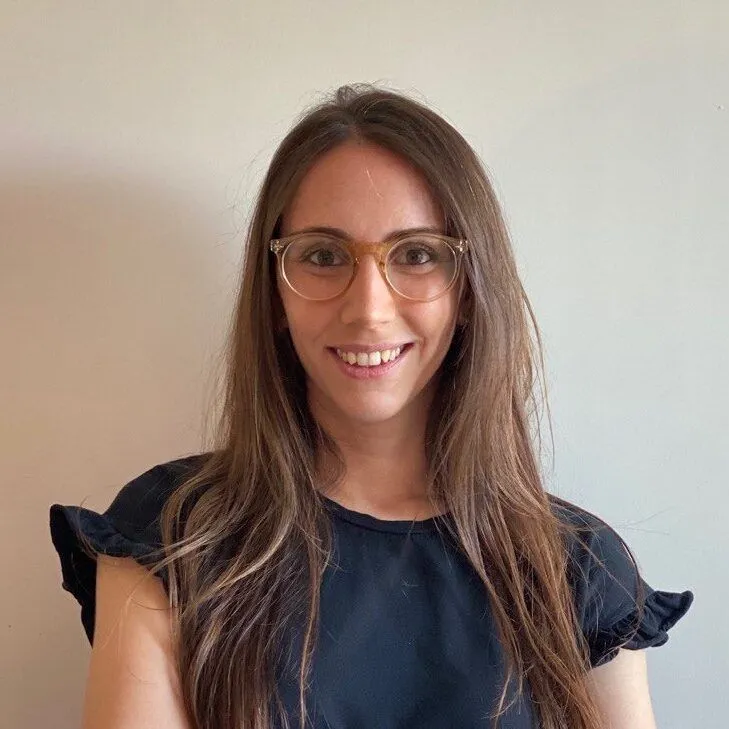
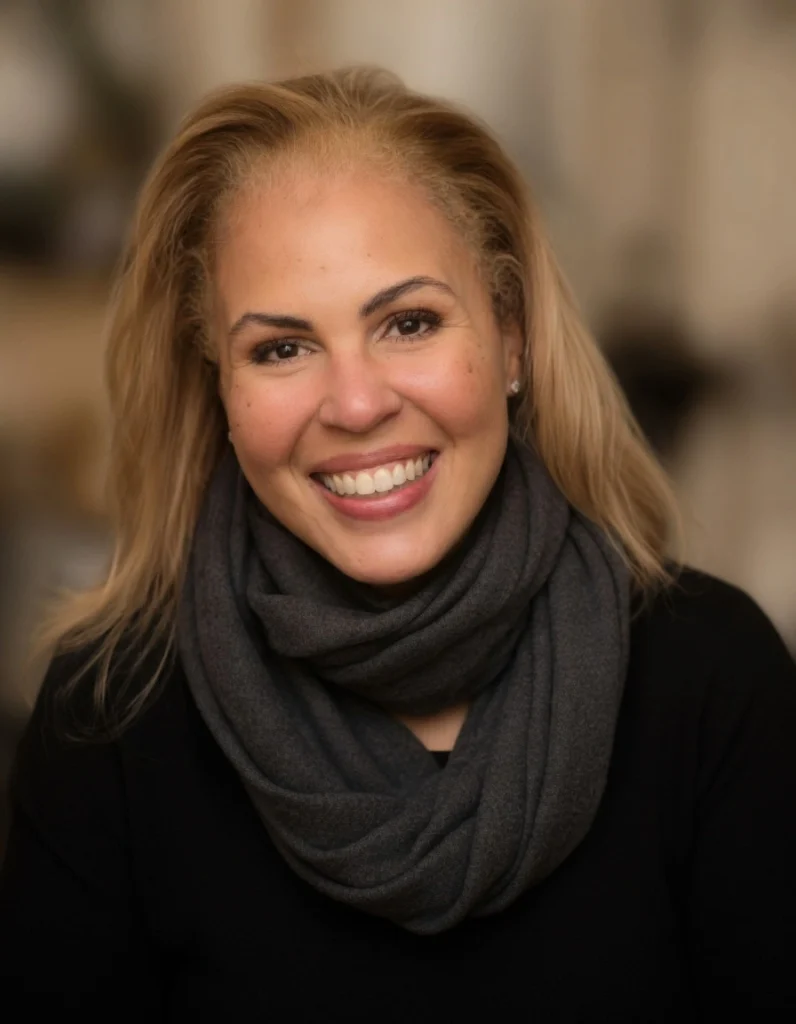
Maia Levy Daniel
Senior Program Manager
Trust and Safety Foundation (TSF)

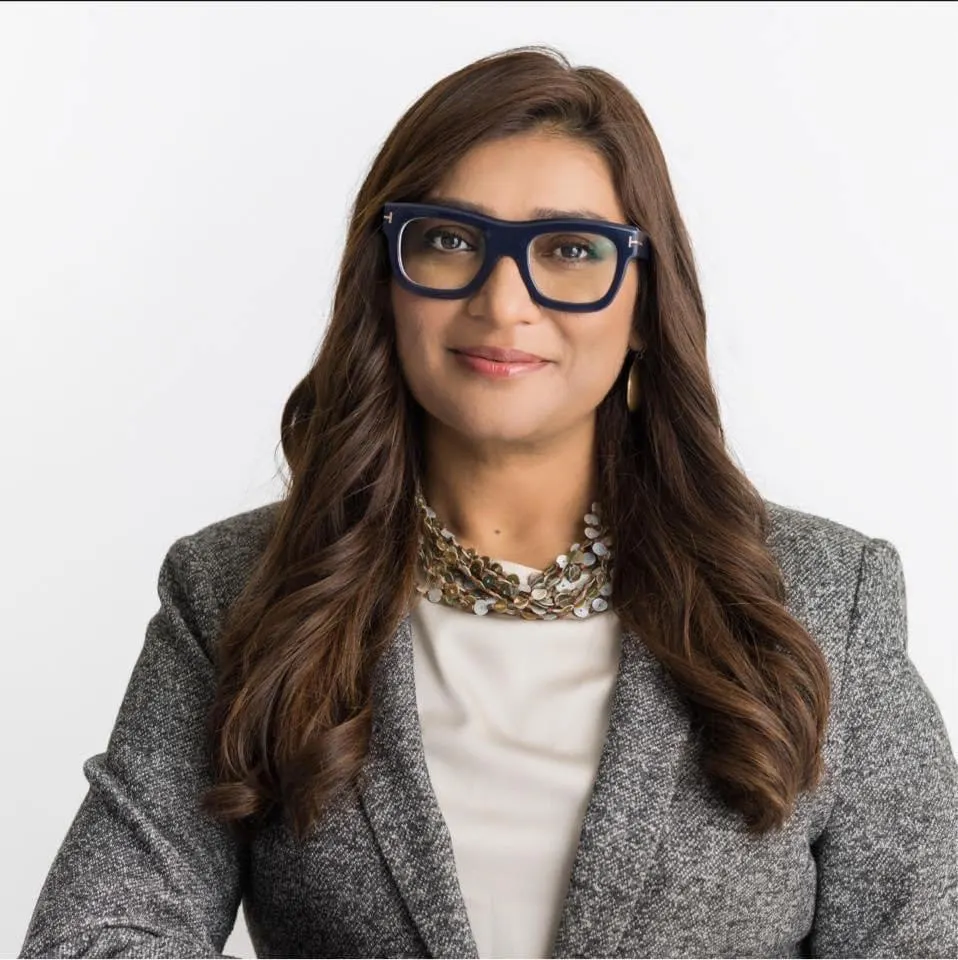
Nighat Dad
Executive Director, DRF USA
Raqib Naik
Center for the Study of Organized Hate (CSOH)
Dr. Safiya U. Noble
Professor and Director, Center on Resilience & Digital Justice, UCLA
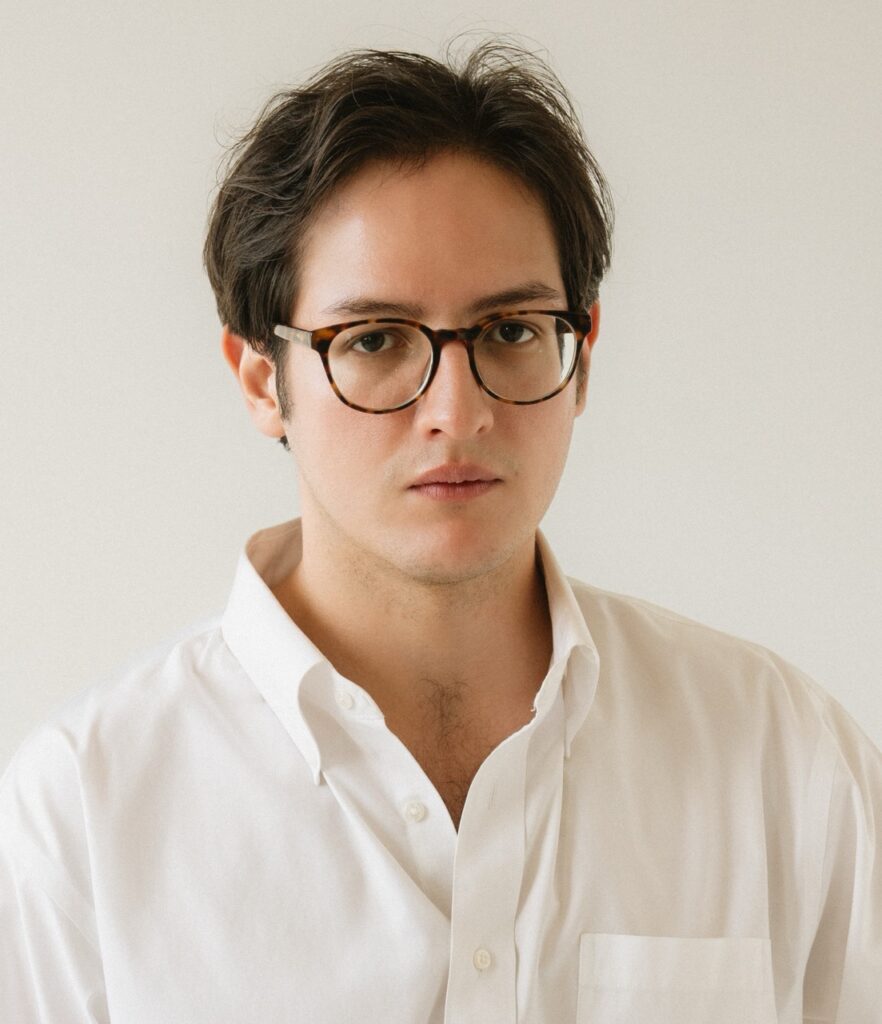
Alejandro Cuevas
Postdoctoral Fellow
Center for Information Technology Policy, Princeton University

Suyen Barahona
President
Colmena Fund

Rohit Chopra
Professor of Communication, Santa Clara University

Sabika Abbas
Lead, Organizing and Movement Noor Network
Desirée Yépez
Journalist & Media Leader | Development Manager, Radio Ambulante
Sana Saleem
Digital Rights Advocate
Inioluwa Deborah Raji
Incoming Assistant Professor, Stanford Computer Science
Brandi Geurkink
Executive Director, Coalition for Independent Technology Research
Mahishaa Balraj
Co-Founder / Director, Hashtag Generation
Sacha Alanoca
Co-founder, Stanford Critical AI Group

Panels & firesides

Panel The Tech Right and the Global Majority: Ideology, Design, and the Politics of Inevitability

Silicon Valley's turn toward the political right is often narrated through personalities: Elon Musk's transformation of X and the release of Grok, Meta's abandonment of fact-checking and its courting of the new administration, OpenAI's drift from a non-profit mission to an international conglomerate. But behind the personalities lies a coherent project with a long history in colonial politics that has impacted the Global Majority. 
Big Tech companies that now fund and amplify anti-rights politics built their user bases in Indonesia, India, Brazil, Nigeria, and the Philippines, treating them as consumer markets and growth engines while investing a fraction of what they spent on safety in the United States and the European Union. Facebook's role in the Rohingya genocide, Meta-driven violence in India, and the weaponization of X in Brazil's 2022 election are some of the predictable results of design and resourcing choices made in Silicon Valley and policy choices in Washington D.C.
This panel examines the ideological narratives and lexicon exported by Silicon Valley companies along with their tech applications. We ask how framings such as the singularity, techno-solutionism, AI accelerationism, or free speech absolutism function to delegitimize governance and dismiss local demands as parochial. Anti-diversity rhetoric is deployed internally to strip out expertise that addresses non-Western harms, and a single vision of the technological future crowds out the technodiversity, governance models, civic traditions, and infrastructural choices that other societies might pursue. Panelists will also address the export of surveillance and censorship capabilities to authoritarian governments and how platform products now function as instruments of political influence rather than neutral infrastructure.
Speakers will bring perspectives from global majority regions where these dynamics have played out most sharply, with a view to identifying where the tech right's project is vulnerable and where counter-narratives and counter-power can be built.

Fireside What Silicon Valley's Authoritarian Embrace Means for the Global Majority

The ideas now steering some of the world's most powerful technology companies did not appear overnight. Journalist Gil Duran, author of the New York Times bestseller The Nerd Reich, has spent years tracing the rise of an openly anti-democratic politics and an apocalyptic vision of the future among influential founders and investors. It is a worldview that treats accountability as censorship, regulation as an obstacle, and democratic governance as something to be exited or replaced.In this conversation, Duran will discuss where that ideology comes from, how it moved from the fringe to the center of tech power, and what it means for the billions of people who live with Silicon Valley's products but have no say in how they are built or governed. We will ask how a political project conceived in the Bay Area plays out in the Global Majority, and what civil society, researchers, journalists, policy makers, and advocates can do to hold it to account.

Panel AI Governance and the Geopolitics of Emerging Technology

Artificial intelligence is being governed as a race rather than as a public question. The United States and China frame frontier AI as a strategic contest in which safety, rights, and accountability are costs to be minimized; export controls, compute alliances, and industrial policy have displaced the language of human rights. 
The European Union, which positioned itself as the global rule-setter, has begun to delay and soften its own obligations under pressure from industry and trade politics, leaving the Global Majority without even a rhetorical counterweight. Meanwhile, AI's physical footprint expands into regions with cheap land, water, and energy: data centers, mineral extraction, and outsourced data-labeling labor are concentrated precisely where political leverage over the companies is weakest.This panel examines what AI governance looks like outside the US–China–EU triangle and the consequences of that triangle's choices for everyone else. It addresses the documented online harms already reaching users in the Global Majority, including social engineering scams, Non-Consensual Intimate Imagery (NCII), deepfakes, AI-generated disinformation in elections, AI companions deployed without safeguards and local-language safety evaluation, and automated decision-making in welfare, policing, and border control. 
The panel also aims to evaluate the AI industry's role in the defense sector, including the rapid development and deployment of AI-enabled autonomous weapons and the absence of meaningful international constraints. It asks what alternatives exist: Brazil's AI legislation, African Union and ASEAN frameworks, digital sovereignty and public-infrastructure approaches, and the open-source and technodiversity movements that seek to widen the range of actors who can shape these systems.
The panel brings together policy experts, technologists, and researchers working across South Asia, Southeast Asia, Africa, and Latin America to move the conversation from who wins the race to who bears the costs, and who gets to decide.

Panel Online Harms and Accountability: Why Protection Stops at the Borders

The past five years have produced the first serious legal tools for holding platforms accountable: the EU's Digital Services Act, Australia's and the UK's respective Online Safety Acts, California's Age-Appropriate Design Code and child-safety statutes, and the litigation that culminated in Meta’s Oakland settlement. Yet these instruments protect a small fraction of the world's users. Their obligations are jurisdictionally bounded, their enforcement depends on regulatory capacity and independent institutions, and they rest on implicit design assumptions about language, connectivity, state capacity, and lobbies that shape the relationship between platforms and governments. In much of the global majority world, the regulatory picture is the inverse: governments use "online safety" legislation to expand surveillance and censorship, and platforms comply, remove content on request, and hand over user data, while resisting the transparency obligations that would expose the harms their products cause.This panel examines the accountability gap from three angles. First, the harms themselves: technology-facilitated gender-based violence, hate speech and incitement against religious and ethnic minorities, and coordinated disinformation, which remain chronically under-documented because platforms do not invest in measurement outside priority markets and have withdrawn the tools, from CrowdTangle to affordable API access, that once let researchers and journalists fill the gap. Second, the collaboration between platforms and authoritarian governments, and how safety frameworks written in London or Brussels are copied into repressive laws elsewhere. Third, the question of translation: which principles and elements of the DSA, OSA, and US state laws could be adapted to Global Majority contexts, which are structurally unsuited, and what alternative accountability mechanisms, from strategic litigation and shareholder action to regional regulatory cooperation, offer more promise.

Fireside Who Pays for Accountability? Funding Digital Rights After the Cuts

The funding landscape for digital rights and tech accountability around online harm is undergoing a profound transformation. The dismantling of USAID, the consolidation of private philanthropy, and the growing shift of resources toward frontier AI are reshaping what work is possible, who can sustain it, and where it gets funded. This conversation brings funders into dialogue about what has been lost, what is being rebuilt, why resources remain difficult to access for organizations across the Global Majority, and what a more sustainable and equitable funding landscape could look like going forward.
Organizers

Directions

Stanford Alumni Center

Fisher Conference Room
(Barnes/McDowell/Cranston) 326 Galvez Street,
Stanford, CA 94305

Friday, November 6, 2026
9:00 AM to 4:30 PM PT

Archit Lohani

●  Stanford Critical AI


Archit is an AI governance and digital rights researcher and a Stanford Law LL.M. (Law, Science & Technology) alum who co-founded the Stanford Critical AI Group. His work brings a decolonial, rule-of-law lens to platform regulation and AI safety, and he currently serves as the India and Asia-Pacific representative in the UN IGF’s AI Foresight Program.

Dr. Cathy Buerger

●  Director of Research, Dangerous Speech Project (DSP)


Cathy Buerger joined the Dangerous Speech Project (DSP) in September of 2017. She holds a PhD in Anthropology from the University of Connecticut (UConn), where her research examined the impact of human rights education on political beliefs and behavior in Ghana. Her current research at the DSP focuses on global responses to dangerous and hateful speech as well as the process of identity formation among those who choose to respond to such speech. She also coordinates the DSP’s fellowship programs. Cathy is a Research Affiliate of UConn’s Economic and Social Rights Research Group, Managing Editor of the Journal of Human Rights, and an Editor for the Teaching Human Rights Database.

Eric Sype

●  National Organizer, 7amleh


Eric Sype is a Community Organizer and Advocate for Palestinian Human Rights. He is 7amleh’s National Organizer in the United States and works to build a broad base of support for Palestinian digital rights in the US.

Gil Durán

●  Author, The Nerd Reich


Gil Durán wrote the New York Times bestseller The Nerd Reich. He was born in Tulare, California, in 1976. The grandson of Mexican immigrant farmworkers, he got his first taste of work in the fields, but took an interest in journalism after winning the local newspaper’s “My Mom Is the Best” contest in the fifth grade. In the tenth grade, his family moved from California to Kentucky, where he dropped out of high school for a year, then returned and befriended an English teacher who encouraged him to apply to college.
He graduated from DePauw University in 1998 and started his journalism career at the San Jose Mercury News. As the newspaper industry hit turbulence, he pivoted to politics and spent ten years as an advisor to politicians including Jerry Brown, Dianne Feinstein, and Kamala Harris. In 2018, he returned to journalism as California opinion editor of The Sacramento Bee, and then became editorial page editor of the San Francisco Examiner. Now an independent journalist, he publishes two newsletters: The Nerd Reich, focused on extremist tech politics, and FrameLab, focused on political language.

Lalita du Perron

●  Associate Director, Center for South Asia, Stanford


Lalita du Perron received her PhD from the Department of the Languages and Cultures of South Asia at SOAS at the University of London. Her monograph Hindi Poetry in a Musical Genre: Thumri Lyrics was published by Routledge in 2007, followed in 2013 by the co-authored The Songs of Khyal, published by Manohar.
Her broad research interests range from song texts and courtesan performance in colonial India to gender and LGBTQ issues in contemporary South Asia. She published an essay in a special issue of QED: A Journal in GLBTQ Worldmaking, “Queer Forum on Navigating Normativity Between Field and Academe in India” (20180, and her essay in Boyhood Reimagined: Stories of Queer Moms Parenting Sons, was published by Motina Books in June 2025. An article from her current project on consent and bodily autonomy, “Eve-teasing in song: coercion, consent, Krishna, and courtesans” is in progress.

Maia Levy Daniel

●  Senior Program Manager Trust and Safety Foundation (TSF)


Maia Levy Daniel is currently a Senior Program Manager at the Trust and Safety Foundation (TSF) and a Research Associate at the Center for Technology and Society (CETyS) at Universidad de San Andrés in Argentina. Maia has worked across sectors and written extensively on AI governance and safety, platform regulation, and content moderation. She was Director of Research and Public Policy at Centro Latam Digital in Mexico, Public Policy Advisor at Wikimedia Argentina, and Google Policy Fellow at Public Knowledge, among other relevant positions in the field. Maia holds an LL.M. from Harvard Law School, a Master’s in Public Policy from Universidad Torcuato Di Tella in Argentina, and a Law degree from the same university.

Nighat Dad

●  Executive Director, DRF USA
●  Board Member, Meta Oversight Board


Nighat Dad is a lawyer from Pakistan and a digital policy expert. She serves on the UN Secretary-General’s High-Level Advisory Body on AI, the Meta Oversight Board, and the World Economic Forum’s Global Future Council on Data Frontiers. Her work spans global tech governance, regulation, and policy processes, including the UN Global Digital Compact. She has advised companies like Microsoft and Meta, as well as governments in the UK, EU, and US. TIME recognized her for advancing online freedom, women’s rights, and accountability, naming her a Next Generation Leader in 2015.

Raqib Naik

●  Executive Director, Center for the Study of Organized Hate (CSOH)


Raqib Naik is the Executive Director of the Center for the Study of Organized Hate (CSOH), a nonprofit, nonpartisan think tank based in Washington, D.C. He is a researcher and expert on organized hate, extremism, disinformation, authoritarianism, and digital harms, with a broader focus on threats to human rights, vulnerable communities, civic space, and democratic institutions. His research examines the transnational spread of extremist ideologies and networks, online and offline hate mobilization, far-right disinformation and conspiracy theories, the role of digital platforms and their design and governance in enabling and amplifying harm, and the societal and human rights implications of artificial intelligence and emerging technologies.

Dr. Safiya U. Noble

●  Professor and Director, Center on Resilience & Digital Justice, UCLA
●  Co-lead at the Minderoo Initiative on Tech & Power, UCLA


Dr. Safiya U. Noble is the David O. Sears Presidential Endowed Chair of Social Sciences and Professor at the University of California, Los Angeles (UCLA). She is the Director of the Center on Resilience & Digital Justice and Co-Director of the Minderoo Initiative on Tech & Power at UCLA. She currently serves as a Director of the UCLA DataX Initiative, leading work in critical data studies for the campus. Professor Noble is the author of the best-selling book on algorithmic harm in commercial search engines, Algorithms of Oppression: How Search Engines Reinforce Racism (NYU Press), widely reviewed in scholarly and popular publications. In 2021, the MacArthur Foundation recognized her as a Fellow for her groundbreaking work on algorithmic discrimination.

Alejandro Cuevas

●  Postdoctoral Fellow Center for Information Technology Policy, Princeton University


Alejandro Cuevas is a postdoctoral fellow at Princeton University’s Center for Information Technology Policy (CITP). He studies the shady, suspicious, and illicit corners of the internet—and how emerging technologies such as generative AI both shape and are shaped by these spaces. His work blends gonzo fieldwork and computational social science, pairing first-person fieldwork in underground communities with large-scale measurement and causal inference. He aims to make online safety and AI governance more evidence-driven.

His research has informed criminal investigations and policy development and has been featured in WIRED, The Economist, and the Financial Times. His current interests include AI-mediated markets, deepfakes, and emerging approaches to technology governance. He writes about his research at Gonzo Labs, his Substack newsletter.

Suyen Barahona

●  President, Colmena Fund


Suyen Barahona Cuan is President of Colmena Fund, which is dedicated to accelerating the power of women championing human rights in formal political spaces across the global majority—particularly centering those most often excluded. A political leader, feminist, and human rights activist, Suyen brings over 15 years of leadership experience in democratic movements and progressive politics. She previously served as president of UNAMOS, a Nicaraguan political party advancing democracy, justice, and opportunities for all. In response to her activism, Suyen has faced political persecution, including two arbitrary imprisonments. As a result of a wave of brutal government repression in 2001 before national elections, she was illegally imprisoned for 606 days, deported and stripped of her citizenship. Suyen remains profoundly committed to supporting other women to gain political power to further democracy, gender equality, justice and peace. In 2022, Suyen was awarded the Human Rights Award for outstanding political courage by the Progressive Alliance and in 2023 the Global Women’s Institute at George Washington University awarded her the Champions of Justice Award. She is a Fulbright scholar. Suyen is honored to stand in solidarity with women political leaders who are reshaping the future with vision, resilience, and collective power.

Rohit Chopra

●  Professor of Communication, Santa Clara University


Rohit Chopra is Professor of Communication at Santa Clara University and Visiting Fellow at the Center for South Asia at Stanford University. Rohit also serves as Advisor to the Center for the Study of Organized Hate and has collaborated with CSOH on reports and projects on hate speech, democracy, and rights. Rohit’s research centers on online right-wing communities in various global contexts, the relationship between media, memory, and violence, and disability in media. His books include The Gita for a Global World: Ethical Action in an Age of Flux (2021) and The Virtual Hindu Rashtra: Saffron Nationalism and New Media (2019). He is also the author of two forthcoming books: a monograph on India after the 1992 demolition of the Babri Masjid, and a cultural history of disability. Rohit also writes in a journalistic capacity on global politics, media, and culture for a range of international media outlets.

Sabika Abbas

●  Lead, Organizing and Movement, Noor Network


Sabika is a poet, movement organizer, and educator. Her work revolves around human rights, justice, and access to education. She currently co-leads the movement and organizing work at Noor, a feminist think-and-do network of human rights organizations from the Global South.

Her work focuses on cross-movement organizing and building infrastructure for joint strategizing to counter fundamentalisms and fascisms. Her work and research also focus on art-based interventions for transformative work and imagining alternative futures.

Desirée Yépez

●  Journalist & Media Leader | Development Manager, Radio Ambulante


Desirée Yépez is an award-winning Ecuadorian journalist and media leader with more than 15 years of experience working at the intersection of journalism, human rights and fact-checking. A John S. Knight Journalism Fellow at Stanford University, she champions community-centered journalism across Latin America and the United States. The Pulitzer Center, ONA, IWMF, The Global Center for Journalism and Trauma, ICFJ, among others, have supported her work. She is joining Radio Ambulante Studios as Development Manager, focusing on journalism sustainability and philanthropic opportunities in the United States.

Sana Saleem

● Digital Rights Advocate


Sana Saleem is a Pakistani journalist and digital rights advocate who has spent more than a decade challenging state and corporate power over the internet. As co-founder of Bolo Bhi, she helped defeat Pakistan’s plan for a national internet firewall by persuading global tech companies not to bid on it. She later brought digital rights groups, industry, and journalist associations together in a coalition against the country’s sweeping electronic crimes law. Her advocacy spans anti-surveillance work, internet freedom, privacy, and gender rights, with a focus on bridging the gap between rights advocates, policymakers, and the public. Today, she advises organizations working at the intersections of labor, democracy, and AI. She has been named one of Foreign Policy’s Top 100 Global Thinkers and one of the BBC’s 100 Women, and her writing has appeared in The Guardian and Global Voices.

Inioluwa Deborah Raji

● Incoming Assistant Professor, Stanford Computer Science

● Fellow, Stanford Institute for Human-Centered AI (HAI)


Inioluwa Deborah Raji is a computer scientist whose research focuses on algorithmic auditing and the legal and institutional accountability needed to deploy machine learning systems safely. She studies how engineering choices, from data to evaluation, shape model behavior once deployed. She also examines what this means for consumer protection, product liability, procurement, and anti-discrimination law.

She will join Stanford in Fall 2027 as an Assistant Professor of Computer Science and a Center Fellow at the Stanford Institute for Human-Centered AI (HAI). She is currently spending a year at the Institute for Advanced Study and Princeton. She was previously a Senior Trustworthy AI Fellow at the Mozilla Foundation and an Academic Fellow at the Leadership Conference on Civil and Human Rights, and she serves on advisory boards, including the Center for Democracy and Technology’s AI Governance Lab.

Brandi Geurkink

● Executive Director, Coalition for Independent Technology Research


Brandi Geurkink is the Executive Director of the Coalition for Independent Technology Research. Prior to the Coalition, she led advocacy campaigns at the Mozilla Foundation for policies to improve independent researcher access to data and open-source auditing of consumer technology platforms in Europe and the United States. At Mozilla, she created YouTube Regrets, the world’s largest community-driven audit of YouTube’s recommendation algorithm which has won multiple awards. Previously, Brandi also directed a research team and advised on the technology portfolio of Reset Tech, a nonprofit philanthropic organization dedicated to restoring the critical connection between media and democracy. Before working on corporate accountability in the technology sector, Brandi was an organizer and campaigner with the International Civil Society Centre in Berlin and the ONE Campaign in Washington, D.C. Brandi’s work has been cited by policymakers working on digital regulation in Europe and the United States, and her research and opinions have been featured in national and international publications, including the Wall Street Journal, NPR, the New York Times, Der Spiegel, the Times of India, WIRED, Fast Company and more.

Mahishaa Balraj

● Co-Founder / Director, Hashtag Generation


Mahishaa Balraj is the Co-Founder and Director of Hashtag Generation, a Sri Lanka-based digital rights organization she has led since 2015. Her work focuses on social media monitoring of online harms including technology-facilitated gender-based violence, hate speech against minority communities, and the protection of civic space online. Over more than a decade in civil society leadership, she has worked to push for stronger platform accountability in the Global Majority. Mahishaa began her career in human rights litigation and later worked on content regulation at Meta in the Asia-Pacific region, where she engaged with policymakers and government officials on new and emerging content laws. This experience gives her a direct view of how platforms and governments negotiate the rules for online speech, and where those negotiations leave users unprotected. She holds an LL.M. in Law, Science and Technology from Stanford Law School, where she currently works with the Program in Law, Science & Technology and the McCoy Family Center for Ethics in Society. Her work centers on platform accountability and AI governance from a Global Majority perspective.

Sacha Alanoca

● Co-founder, Stanford Critical AI Group


Sacha Alanoca is a PhD researcher in AI governance at Stanford. Her research examines power concentration in the AI ecosystem, the risks of regulatory capture, and the ideologies framing how we govern AI. She is a Stanford Interdisciplinary Graduate Fellow (SIGF) and a McCoy Family Center for Ethics in Society Fellow. Sacha co-founded the Stanford Critical AI Group, which advocates for alternative AI narratives, grounded in fairness, accountability, and sustainability, to emerge directly from Silicon Valley. Her research has been published in academic and media venues such as the ACM FAccT, Oxford’s Journal for International Data Privacy Law, and The Guardian. Prior to her graduate studies, she worked on AI policy and regulation with the European Commission (in the unit that is now the EU AI Office), the Berkman Klein Center for Internet & Society (BKC), The Future Society, the OECD, and the Global Partnership on AI (GPAI). She obtained her Master’s from Harvard University as a John F. Kennedy Fellow. In 2022, Sacha was named one of the “100 Brilliant Women in AI Ethics.” She is Franco-Chilean.

Gil Durán

● Author, The Nerd Reich


Gil Durán started his journalism career at the San Jose Mercury News in 1998. As the newspaper industry hit turbulence, he pivoted to politics and spent ten years as an advisor to politicians including Jerry Brown, Dianne Feinstein, and Kamala Harris. In 2018, he returned to journalism as California opinion editor of The Sacramento Bee, and then became editorial page editor of the San Francisco Examiner.

Now an independent journalist, he publishes The Nerd Reich newsletter, focused on extremist tech politics. His writing has appeared in the New Republic , the Guardian, and the New York Times. His first book, The Nerd Reich: Silicon Valley Fascism and the War on Democracy, debuted at #3 on the New York Times best seller list.